
Translocation of tīeke from Maui tiki tiki a Taranga/Hen and Chicken Islands to Rakitū
KANOA ORA NGAWAKA-TAMIHANA (Hikurangi, Te Tai Tokerau)
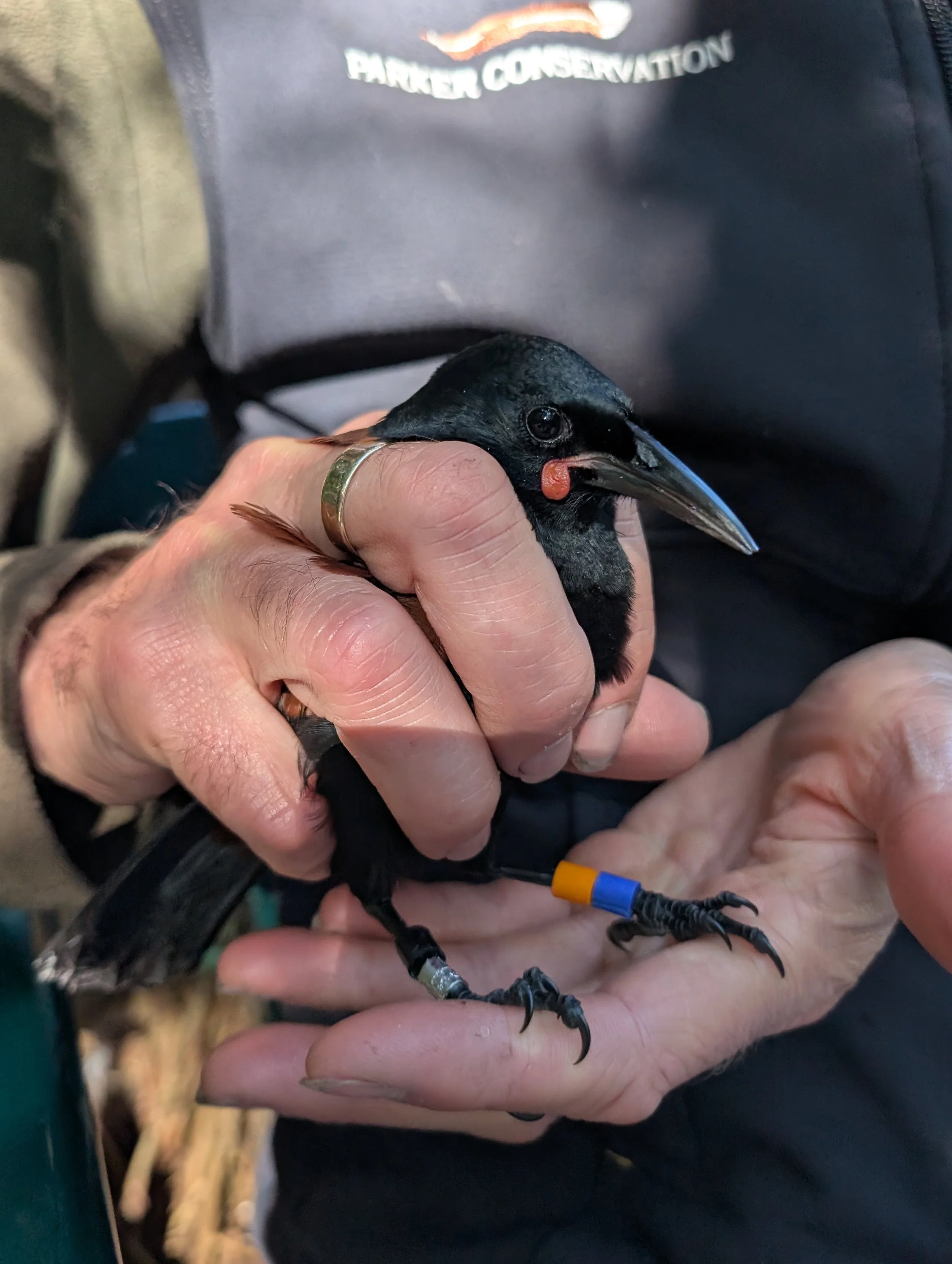
Heleena Tamihana put a number of questions to her son Kanoa on his involvement in the tīeke translocation.
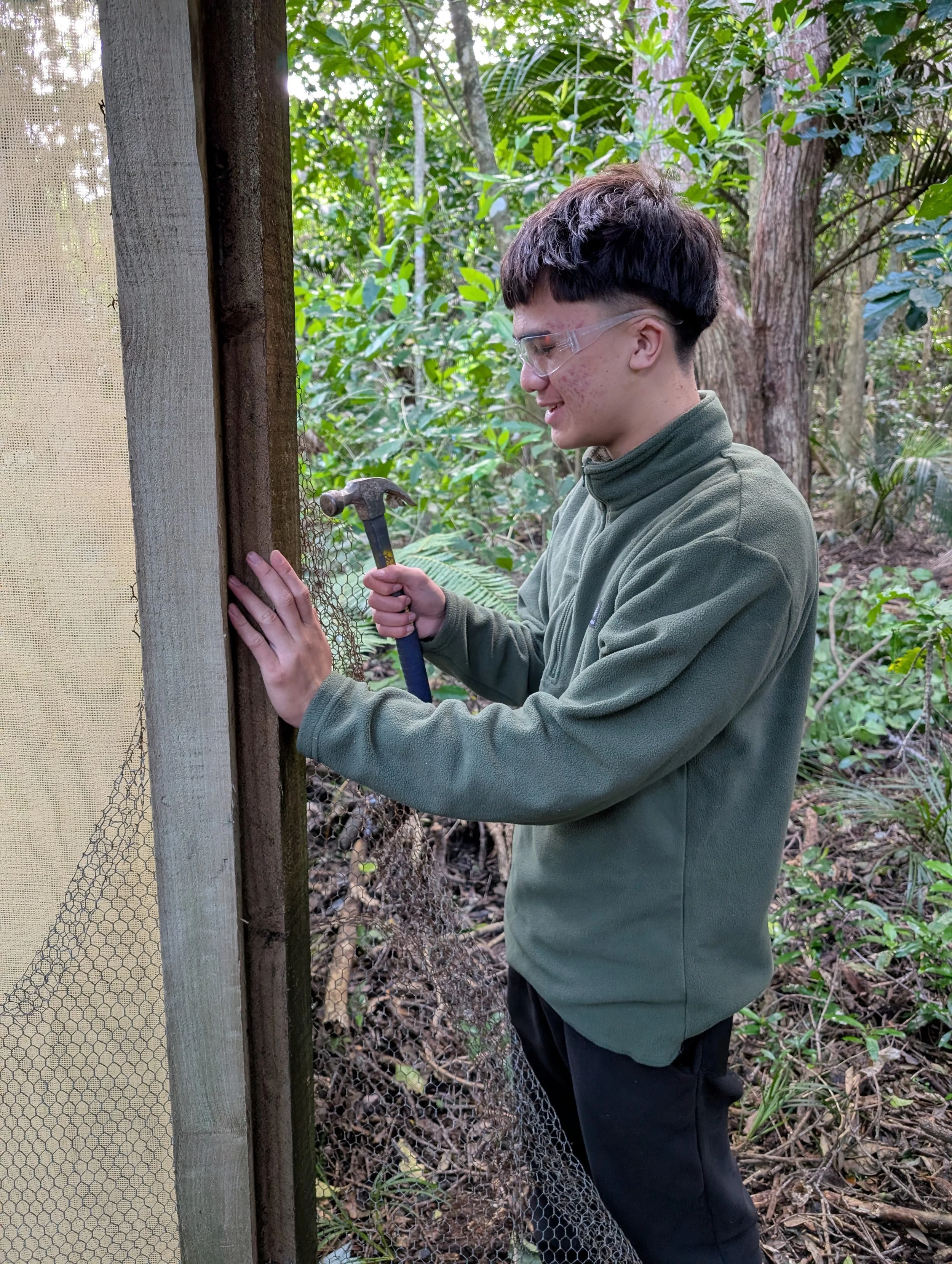
What was the experience in the Hen & Chickens like?
It was a pretty cool experience. I’m still in high school, but I’m always looking for chances to earn a bit of money or get some work experience. When this opportunity came up, I jumped at it straight away and was sent a gear list along with the details of the trip and the mahi we would be doing.
Once I got everything sorted, all my gear had to be dropped off for quarantine. Because everything was brand new, it passed the checks quickly. On the day we left, we did one more check just to make sure nothing had picked up any seeds or soil.
The DOC boat picked us up from Onerahi and took us straight to the island. We used a small dinghy to shift our gear to shore, then carried everything up the hill. After we found a good spot, we set up camp and began gathering materials to repair an old aviary. The first couple of days were spent getting camp and the aviary sorted. After that, the next nine days were focused on catching birds.
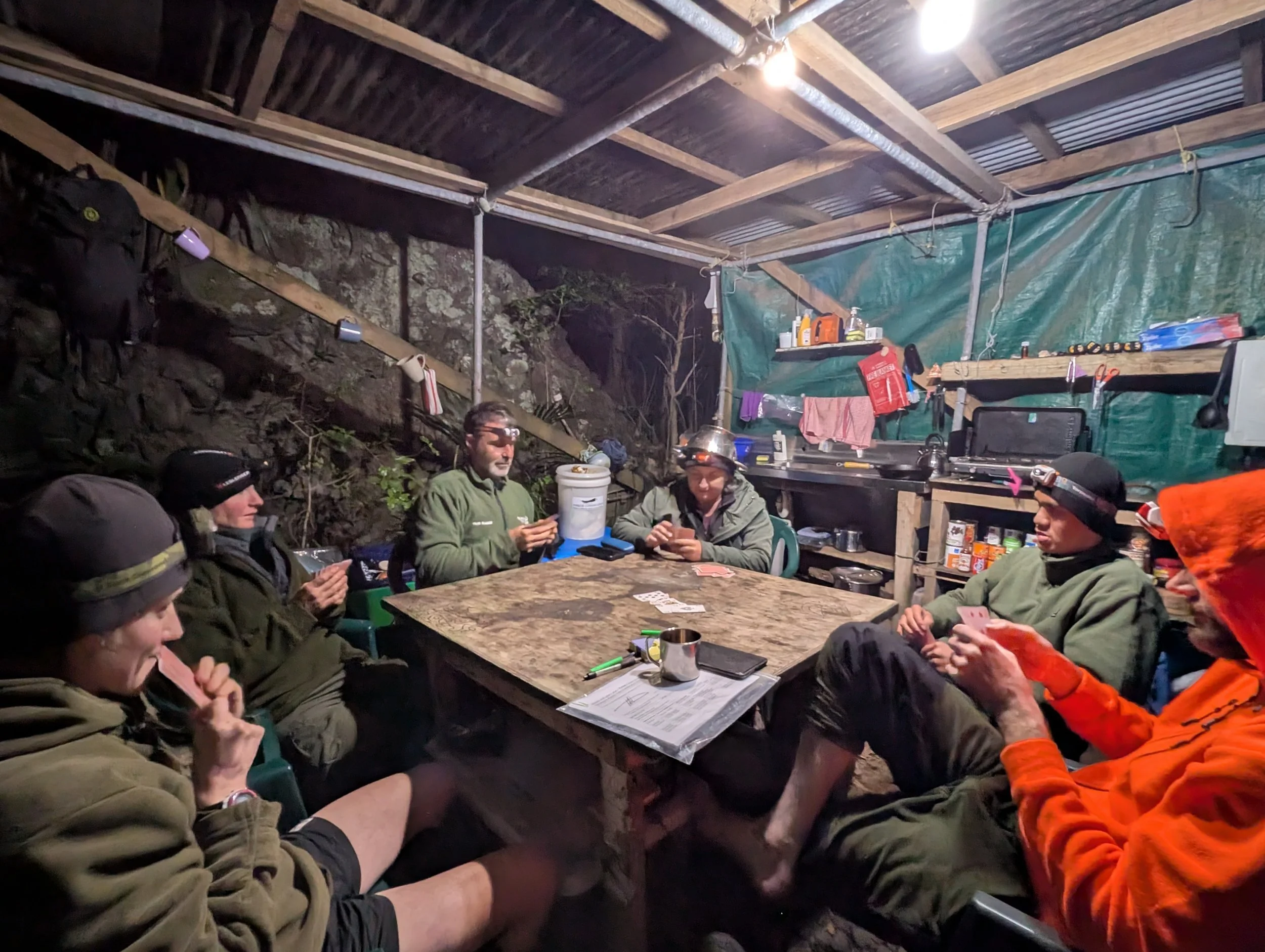
We used a speaker to play tīeke calls, and they would fly into the nets. We would gently untangle them, place them into the black bags, and pass them to Kevin, who took them back to the aviary. In total we captured 40 birds.
What challenges came with catching and releasing the birds?
Sometimes other birds flew into the nets as well, so we had to take time to untangle and release them. The terrain was steep, and we were walking the hill constantly, but it was still manageable.
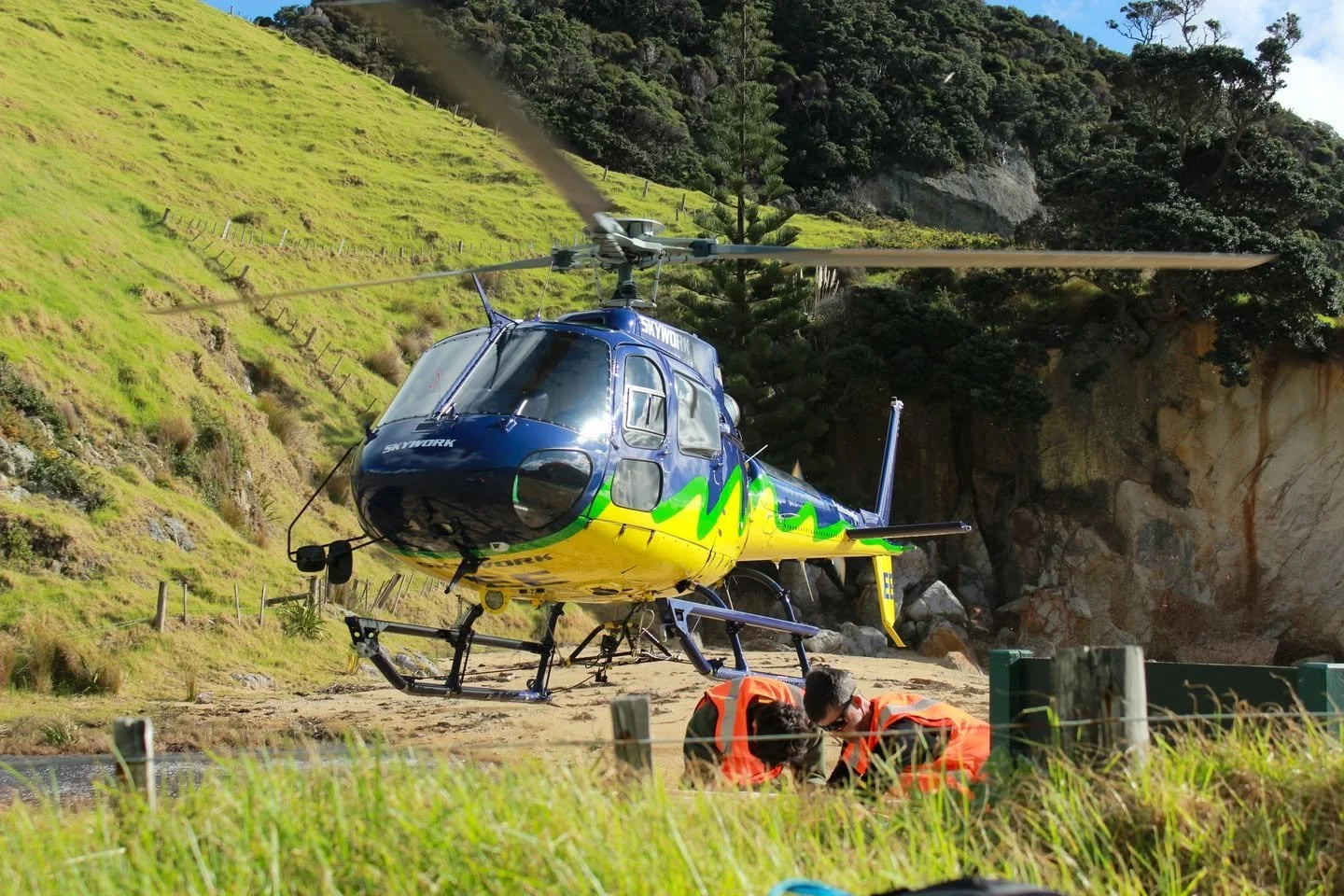
Were there any special moments?
Absolutely. One of the biggest highlights was being told I would get to go in the helicopter for the release. At first I thought I would only be helping with the catching and then heading home to Te Tai Tokerau, so finding out near the end that I would be part of the release too was really exciting.
What did the release mean for mana whenua and the restoration of Rakitū? And the significance of this transfer for Ngāti Rehua?
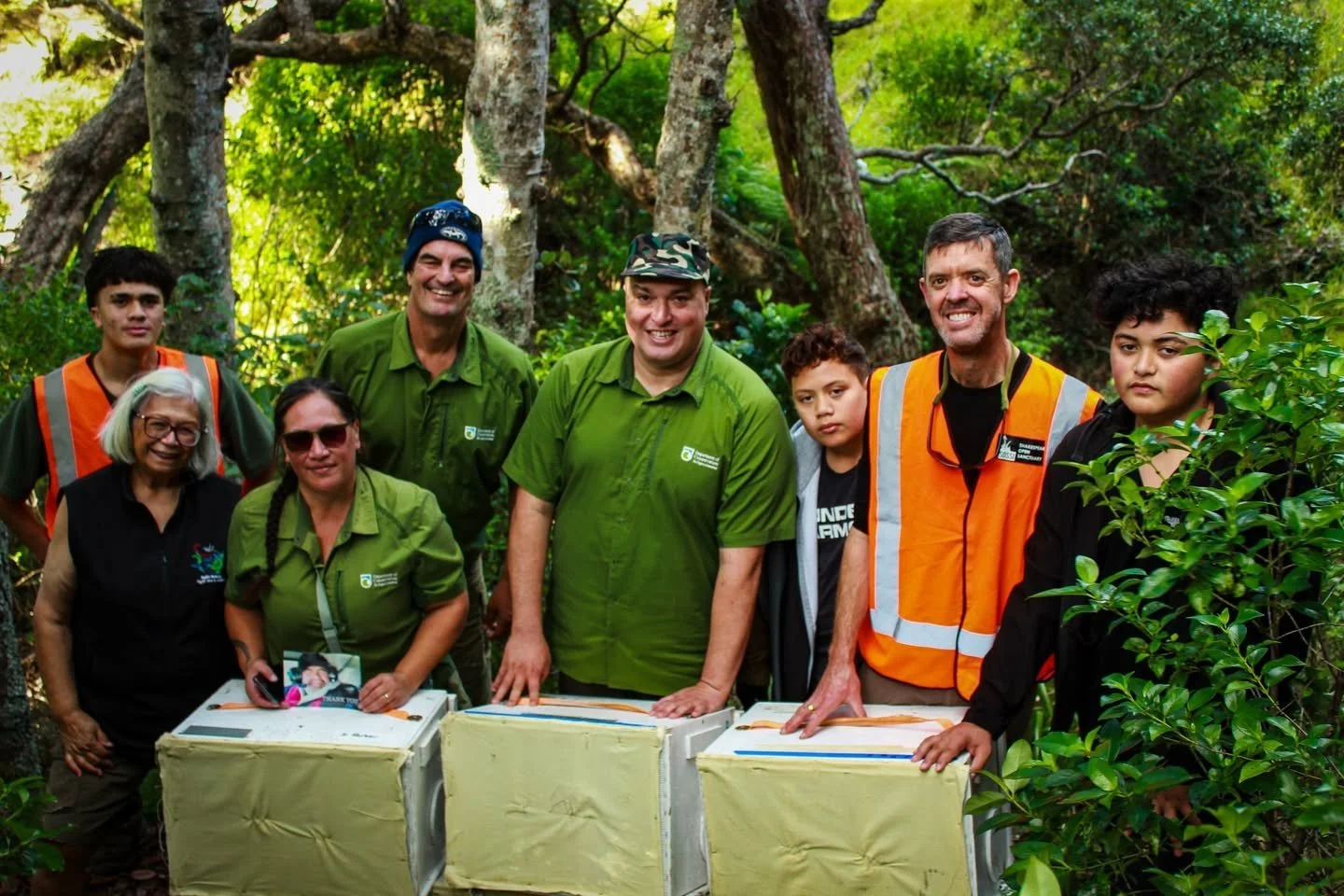
I felt really privileged to be part of this mahi. I found out I was the youngest person they had ever taken out there and my mum told me about the significance Rakitū has to our whānau. Then to find out that I could also take part in the release too - it felt like I was supposed to be there doing that mahi.
Acknowledgements
The organisations involved included: Parker Conservation, Department of Conservation, Ngāti Rehua, Ngāti Wai and Patuharakeke.